
GLUCOSE — Your baseline fuel

Your brain normally relies on glucose, transported into brain cells through specialized glucose transporters (GLUTs).
THE SCIENCE
D-BHB ketone fuel + 30+ essential and functional nutrients to support the cellular processes that power your brain.


THE ENERGY-DEMANDING BRAIN
Thinking, focusing, learning, remembering — every activity depends on energy produced inside your cells.
And while in the modern world glucose is often the brain's main fuel, it's not the only one.
TWO FUELS. DIFFERENT PATHWAYS.
Your brain normally relies on glucose, transported into brain cells through specialized glucose transporters (GLUTs).

Ketones reach the brain through different transporters (MCTs), independently of glucose transporters and without requiring insulin for their uptake.
This offers an alternative energy pathway, particularly interesting when glucose utilization is less efficient.
Brain Energy provides D-BHB — the naturally occurring ketone your body produces — directly.
No fasting. No ketogenic diet. No stimulants.
Coffee and traditional energy products rely mainly on caffeine or other stimulants to increase alertness. Caffeine works by blocking adenosine, a chemical that signals tiredness to your brain. It makes you feel more awake, without actually providing energy.
Brain Energy takes a different approach. It supplies an alternative fuel your brain can use for energy, without caffeine or stimulants.

References: [1–3]
FUEL IS ONLY HALF THE EQUATION
Your cells convert glucose and ketone bodies into ATP — the energy currency that powers cellular activity. But this requires a complex network of enzymes, vitamins, minerals, and metabolic cofactors.

Vitamins help form the cofactors involved in converting fuel into energy.
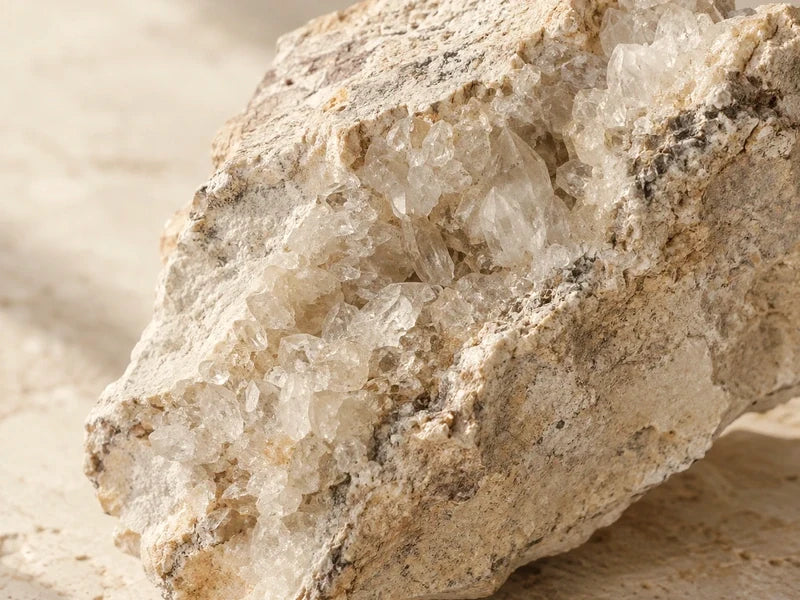
Trace minerals support metabolic enzymes and cellular protection.

Electrolytes enable the electrical activity of your nervous system and are essential for making ATP.
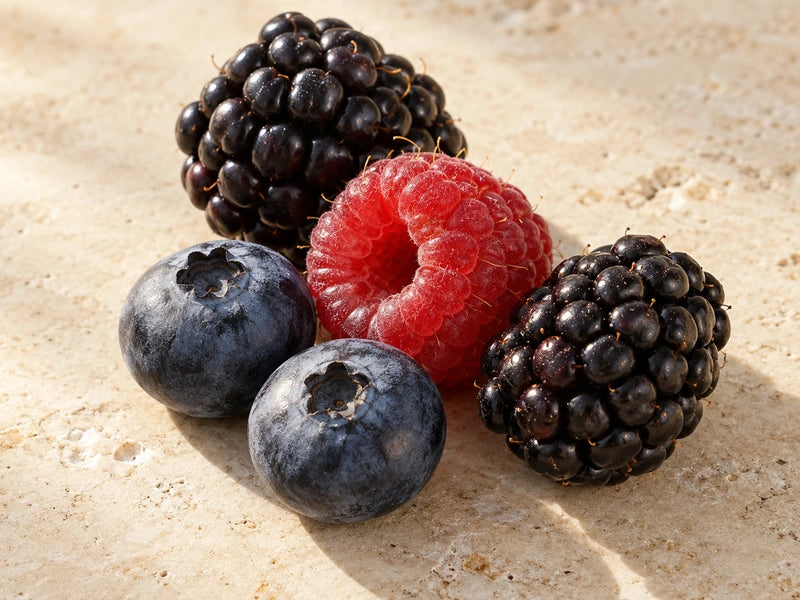
Antioxidant nutrients support the systems that protect your cells.
Providing fuel matters. So does having the nutrients needed to use it.
References: [4–5]
THE NUTRIENT GAP
US nutritional surveys reveal that many adults consume less than the estimated requirements for essential vitamins and minerals.
Swipe to see all columns →
| Nutrient | US adults below estimated requirements | Main biological relevance |
|---|---|---|
| Vitamin D | 94.8% | Calcium regulation, bone health, immune function |
| Vitamin E | 79.0% | Antioxidant protection of cell membranes |
| Magnesium | 53.3% | ATP-dependent reactions, enzyme function |
| Vitamin C | 48.3% | Antioxidant functions, carnitine synthesis |
| Vitamin A | 45.5% | Vision, cellular differentiation, immunity |
| Calcium | 44.5% | Cellular signaling, neurotransmission |
| Zinc | 15% | Enzyme function, metabolism, cellular protection |
Sources: NHANES 2013–2016, adults aged 19–99 (n=10,112), published in Current Developments in Nutrition, 2019; zinc: NHANES 2005–2016 (n=26,282 adults), published in Nutrients, 2020. [6]
A healthy, nutrient-rich diet always comes first. Smart supplementation can help complement it.
FOUR PILLARS. ONE CONNECTED SYSTEM.
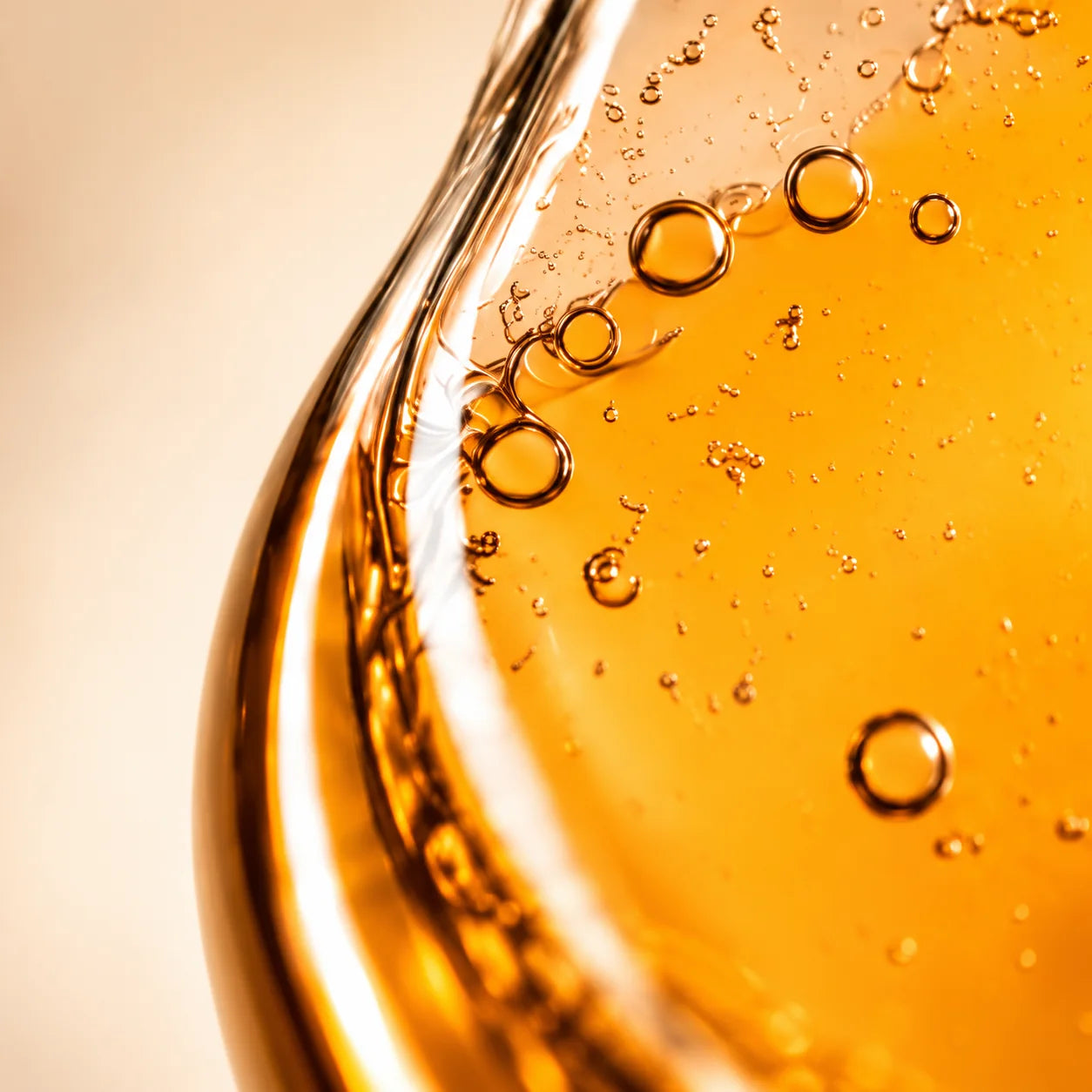
D-BHB provides ketone fuel your brain can use alongside glucose — without requiring a ketogenic diet.
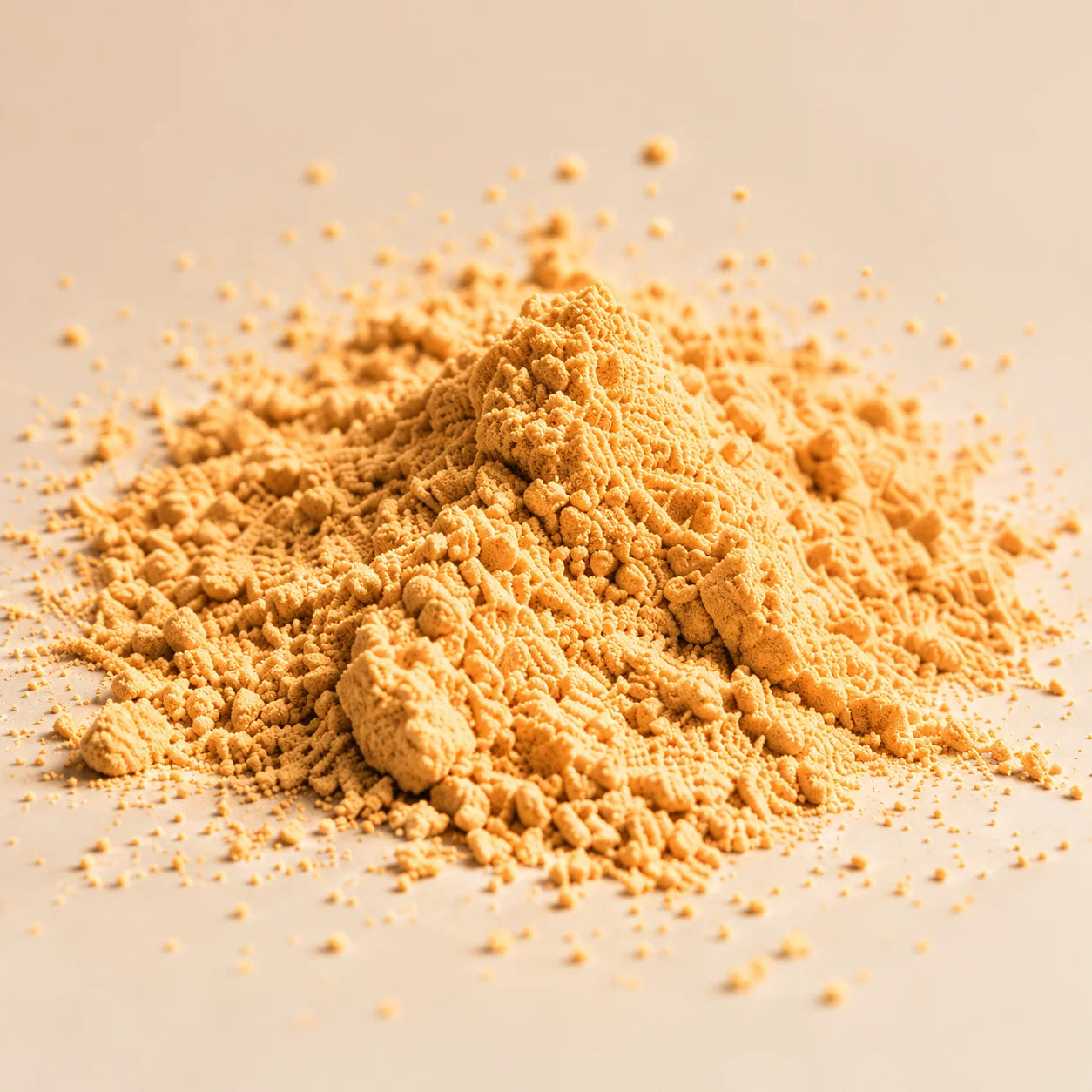
B vitamins, magnesium, ribose, L-carnitine, and other metabolic nutrients support interconnected processes involved in cellular energy production.
Sodium, potassium, magnesium, and calcium support the electrical gradients and cellular signaling essential for normal nerve function.
Vitamins C and E, selenium, zinc, riboflavin, and other antioxidant nutrients support the body's natural defenses against oxidative stress.
Because brain energy isn't one process. It's an interconnected system.
References: [4, 5, 7–9]
THE RESEARCH

38studies.
1,602participants.
A 2026 systematic review and meta-analysis investigated exogenous ketones and cognitive performance.
Across 29 protocols included in the quantitative analysis, researchers found a modest but statistically significant improvement in cognitive performance compared with placebo.
The findings concern exogenous ketone interventions generally, not the finished Brain Energy formulation. Larger, longer-term trials are needed.
Read the Published ResearchBonnechère et al., Frontiers in Nutrition, 2026. [10]
BORN FROM SWISS SCIENCE
Developed by Dr. Elena Gross, an Oxford-trained neuroscientist with a PhD in clinical research.
Brain Energy brings together the science of alternative brain fuels with a comprehensive network of vitamins, minerals, electrolytes, and antioxidant nutrients.
Not just ketone bodies. Not just a multivitamin. Not just an electrolyte drink. Not just an antioxidant.
A complete approach to daily brain nutrition, developed in Switzerland.


Ketones are a powerful clean fuel for the brain — especially when sugar isn't doing the job as well as it should.
They can help you feel clearer-headed and can support longer-lasting energy.*
The ketones in Brain Energy are ready to use — no fasting or strict keto diet required.
Brain Energy contains 5.8 g of D-beta-hydroxybutyrate (D-BHB) mineral salts: calcium D-BHB, magnesium D-BHB and sodium D-BHB.
If your brain runs out of fuel you will be mentally fatigued, because how your brain is fueled can influence how your brain functions. Glucose is the brain's primary fuel, but it can't be stored for long. Ketone bodies are a powerful alternative to glucose — one the brain readily uses.
How do you get these awesome things? Fasting and/or following a strict keto diet are the main ways, which is hard for many people to sustain. How else? Supplement with human-identical ketone bodies like Brain Energy — the same form your liver makes on a keto diet or in a fasting state.
But ketone bodies don't just become brain energy — they need support from vitamins, minerals, and antioxidants to be converted into energy your brain can use.*
Amino acids and related nutrients help with focus, nerve balance, and energy production.*
L-Carnitine helps transport fats inside of cells.
Taurine supports calming brain activity.*
Other amino acids help your brain stay balanced and resilient.*
Supports energy production from fats.*
In addition to calming brain activity, it supports liver function.*
Supports restful sleep and detoxification.*
Important for brain health and liver function.*
Vitamins are essential for turning food (or ketones) into energy and keeping your brain and nerves working smoothly.*
B-vitamins help your cells make energy efficiently.*
Vitamins like A, C, D, and E help protect your brain from stress.*
DV = Daily Value (if not shown, daily value not established)
70 mcg RAE of Retinyl Palmitate
15 mcg RAE of Beta Carotene
Essential for vision and immune function.*
Helps convert food into energy.*
Supports energy production and skin health.*
27.5 mg of Niacinamide
2.5 mg of Niacin
Essential for healthy skin and nervous system.*
Aids in energy production and hormone synthesis.*
Supports metabolism.*
Supports healthy hair, skin, and nails.*
Important for DNA synthesis and cell growth.*
Vital for nerve function and red blood cell production.*
Important for immune support and skin health.*
Crucial for bone health and calcium absorption.*
50 mg of Mixed Tocopherols (Gamma, Delta, Alpha, Beta)
5 mg of D-alpha Tocopherol Acetate
Acts as an antioxidant protecting cells.*
12.5 mcg of Vitamin K1 (Phytonadione)
12.5 mcg of Vitamin K2 (Menaquinone-7)
K1 helps support normal blood clotting and healthy bones. K2 helps the body use calcium properly, supporting healthy bones and tissues.*
Electrolytes like magnesium, sodium, potassium, and calcium help your brain cells fire properly and keep you hydrated.*
They're especially important when you eat low-carb or use ketones, as your body loses more minerals.*
Magnesium, in particular, is often low in the diet and supports healthy nerve function.*
DV = Daily Value (if not shown, daily value not established)
Important for muscle and nerve function.*
Essential for strong bones and teeth.*
Essential for fluid balance and nerve function.*
Essential for fluid balance and nerve function.*
Trace minerals are needed in tiny amounts, but they have a big impact on energy and brain health.*
Zinc, selenium, and others help your body manage stress and protect your cells from damage.*
They also support detox and help your metabolism stay flexible — switching between carbs and fats.*
DV = Daily Value (if not shown, daily value not established)
Supports immune function and wound healing.*
Supports the body's antioxidant enzymes and thyroid health.*
Necessary for thyroid function.*
Important for bone formation and metabolism.*
Supports blood sugar regulation.*
Supports enzyme function.*
Supports bone health and cognitive function.*
Antioxidants are your body's internal "firefighters" — protecting your brain and cells from oxidative stress.*
CoQ10 and vitamin E, for example, help keep your mitochondria (your energy factories) running efficiently.*
Vitamin C and vitamin E work as a pair — vitamin C helps regenerate vitamin E so it can keep protecting your cells.*
DV = Daily Value (if not shown, daily value not established)
Powerful antioxidant for cellular energy production.*
Acts as an antioxidant protecting cells.*
Important for immune support and skin health.*
Supports the body's antioxidant enzymes and thyroid health.*
70 mcg RAE of Retinyl Palmitate
15 mcg RAE of Beta Carotene
Essential for vision and immune function.*
A sugar your cells already use
Ribose is a simple sugar your body makes on its own. It forms part of the backbone of ATP, the energy form cells use right away.
A simple sugar that forms part of ATP, the energy form your cells use right away. Supports normal cellular energy production.*
Every ingredient is on the label. See the full panel.
BR2 · LAUNCH NEWS
Explore BR2 now. Join the list for launch news and updates.